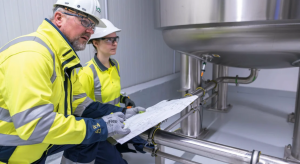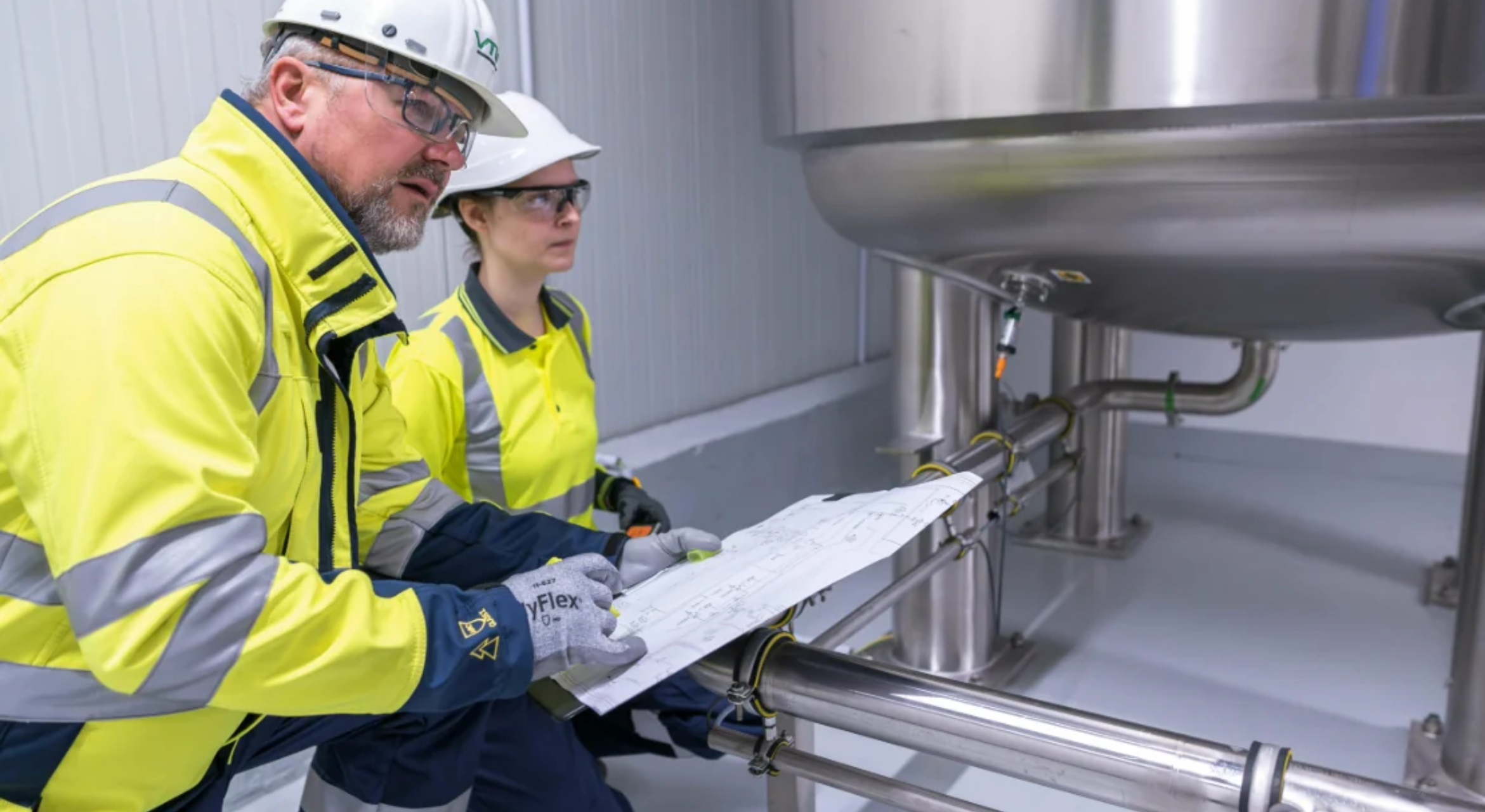
Construction projects within operating industrial facilities present challenges that differ significantly from those encountered in new construction.
In pharmaceutical, biotechnology, medical device, and other regulated environments, facility modifications, equipment installations, and infrastructure improvements may need to take place while existing operations continue.
These conditions require careful coordination between construction teams, facility personnel, and operational stakeholders.
Effective Construction Management helps organizations execute facility projects while minimizing unnecessary disruptions to ongoing operations.
The Challenges of Construction in Operating Facilities
Unlike projects developed on an unoccupied construction site, work performed inside an active facility must account for existing equipment, personnel, production schedules, and operational restrictions.
Construction activities may involve temporary access limitations, utility interruptions, equipment relocation, or work near sensitive manufacturing areas.
Without proper coordination, these activities can interfere with daily operations and create scheduling complications.
Understanding the facility’s operational requirements is therefore essential before construction begins.
Coordinating Construction and Operations
One of the most important responsibilities of Construction Management is establishing effective communication between project teams and facility operations.
Construction personnel must understand when specific activities can occur, which areas are accessible, and what restrictions must be followed.
At the same time, Operations teams need visibility into upcoming construction activities that could affect production or facility performance.
Regular coordination meetings, clearly established work schedules, and documented responsibilities help maintain alignment between both groups.
This collaborative approach reduces misunderstandings and supports more efficient project execution.
Planning Around Operational Constraints
Construction activities in regulated facilities often require detailed scheduling.
Certain tasks may need to be completed during planned shutdowns, maintenance windows, or periods of reduced production.
Other activities may require temporary utility arrangements, controlled access, or additional coordination with facility personnel.
Effective Construction Management evaluates these constraints early and incorporates them into the project execution strategy.
By developing realistic schedules and identifying critical dependencies, organizations can reduce avoidable delays and improve resource utilization.
Maintaining Quality During Construction
Quality considerations are particularly important when construction takes place in facilities that support regulated manufacturing processes.
Materials, installation methods, equipment specifications, and construction documentation must align with applicable project requirements.
Construction Management helps coordinate inspections, monitor installation activities, address deficiencies, and verify that completed work meets established expectations.
Maintaining organized records throughout construction also supports efficient project closeout and future facility activities.
Managing Changes During Execution
Unexpected conditions are common when modifying existing industrial facilities.
Previously undocumented infrastructure, equipment limitations, or operational requirements may create the need for adjustments during construction.
A structured approach to managing changes helps organizations evaluate their potential effects on cost, schedule, quality, and facility operations.
Documenting and communicating approved modifications supports accountability and reduces confusion among project participants.
Supporting a Smooth Transition Back to Operations
Construction completion is only one milestone in a facility improvement project.
Before modified areas or systems are returned to service, organizations may need to complete inspections, testing, documentation reviews, and other applicable readiness activities.
Effective Construction Management supports coordination among the teams responsible for completing these requirements.
A well-managed transition helps organizations integrate facility improvements while maintaining operational continuity.
Construction Management Beyond the Jobsite
Managing construction inside an operating facility requires a comprehensive understanding of project execution and operational priorities.
Organizations that emphasize coordination, planning, communication, and quality oversight are better positioned to complete facility improvements while minimizing disruptions.
In regulated industrial environments, successful Construction Management is not simply about completing physical work. It is about integrating that work into an active operational environment.
Planning a Construction Project Within an Operating Facility?
At Smart Precise Solutions, we provide professional Construction Management services for pharmaceutical, biotechnology, medical device, and industrial environments.
Our experienced professionals help organizations coordinate construction activities, manage project requirements, and support efficient execution within complex facilities.
Call Smart Precise Solutions today at 787-403-9799 to learn how our team can support your next construction project.