As part of your business development strategy, it is important to establish policies, procedures, and programs that allow you to stay focused on achieving your business goals and objectives.
However, as a business owner, you may often face multiple challenges and obstacles that can distract you from reaching those goals. For this reason, delegating your projects to a Project Manager helps maintain your vision aligned with your objectives while keeping your business on the path to growth.
Remember, achieving sustainable and self-sufficient project development requires openness to new and innovative ways of doing things—something a Project Manager can bring to your organization.
Below are some key points to consider when hiring a Project Manager:
1. Reduces Response Time
A Project Manager helps reduce response times that are often prolonged, bureaucratic, and inefficient. A PM has access to a network of suppliers, knowledge of similar businesses, and experience in identifying better ways to execute tasks. This allows for faster planning, execution, and response throughout your projects, giving you greater confidence and peace of mind.
2. Reorganizes Priorities
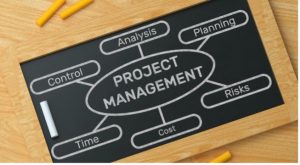
A Project Manager is constantly exposed to client needs and project challenges. Their role includes developing the Project Management Plan and continuously monitoring and controlling it through execution.
Since not everything goes as planned, the Project Manager is responsible for reassessing and reorganizing priorities based on project risks. This ensures that decisions align with expectations related to quality, time, and cost, allowing the project to move forward efficiently.
3. Integrates Resources and Functions
A Project Manager is responsible for defining the project scope to meet stakeholder expectations. This includes identifying, selecting, and organizing the project team, defining roles and responsibilities, and establishing effective communication systems.
By doing so, the Project Manager minimizes duplication of efforts, addresses concerns, and optimizes resource utilization, ensuring that the project team operates efficiently and cohesively.
4. Optimizes Policies and Procedures
A Project Manager maintains a balance between corporate expectations and real-world execution. They facilitate process integration and evaluate tasks that do not add value to the project.
Additionally, they monitor timelines, identify risks, manage issues, and implement corrective actions. Their ability to anticipate challenges and provide structured solutions leads to more effective and measurable outcomes.
5. Maintains Open Communication
Effective communication is one of the most critical responsibilities of a Project Manager. They establish communication channels before, during, and after the project to ensure clarity in roles, expectations, timelines, and deliverables.
This includes distributing reports, facilitating discussions, building trust, and providing the tools and training necessary for team success. Open communication also encourages collaboration and innovation within the team.
Conclusion
Investing in a Project Manager ensures that your projects align with your business vision. Delegating this responsibility to a reliable and experienced professional allows you to stay focused on other critical aspects of your business while ensuring your projects are executed successfully.
If you have an upcoming project and require professional project management support, Smart Precise Solutions is here to help. Contact us at 787-403-9799 for more information.