Every successful construction project begins with a vision, but transforming that vision into reality requires careful planning, coordination, and execution. In highly regulated industries such as pharmaceuticals, biotechnology, and medical devices, construction projects involve far more than simply building facilities—they require strict compliance with quality standards, safety regulations, and operational requirements.
This is where Construction Management becomes a critical component of project success. By overseeing every phase of a construction project, organizations can reduce risks, improve communication, and ensure that projects are completed safely, efficiently, and on schedule.
What Is Construction Management?
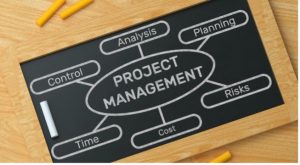
Construction Management is the professional service of planning, coordinating, and supervising all aspects of a construction project from its initial concept through final completion. It involves managing schedules, budgets, contractors, materials, safety, and quality to ensure that every phase of the project aligns with the owner’s objectives.
Rather than reacting to challenges as they arise, Construction Management takes a proactive approach by identifying potential issues early and implementing solutions before they impact the project.
Why Construction Management Matters
Industrial construction projects often involve multiple contractors, engineering disciplines, suppliers, regulatory agencies, and internal stakeholders. Without proper coordination, communication gaps can lead to delays, budget overrun, and quality issues.
Construction Managers serve as the central point of coordination, ensuring that everyone involved works toward the same objectives while maintaining transparency throughout the project.
Their leadership helps keep projects moving forward while minimizing costly disruptions.
Keeping Projects on Schedule
Meeting project deadlines is essential, particularly in industries where facility expansions, equipment installations, or production upgrades directly affect business operations.
Construction Management includes developing detailed project schedules, monitoring progress, identifying potential delays, and implementing corrective actions when necessary. Continuous oversight allows project teams to address issues quickly and maintain momentum throughout construction.
A well-managed schedule not only supports timely project completion but also helps control labor costs and optimize resource allocation.
Managing Costs Effectively
Cost control is one of the greatest benefits of professional Construction Management.
Unexpected expenses often result from poor planning, change of orders, material shortages, or inadequate coordination. Construction Managers monitor project budgets throughout the entire lifecycle, ensuring that financial resources are used efficiently and that changes are properly evaluated before implementation.
This disciplined approach helps organizations avoid unnecessary costs while maintaining project quality.
Maintaining Quality and Compliance
Quality is especially important in pharmaceutical, biotechnology, and medical device facilities, where construction activities must meet strict industry standards.
Construction Managers work closely with engineering teams, contractors, and quality professionals to ensure that installations comply with project specifications, applicable codes, and regulatory requirements.
By maintaining quality throughout construction, organizations reduce the likelihood of costly rework and ensure facilities are prepared for commissioning and validation activities.
Prioritizing Safety
Safety is fundamental to every successful construction project.
Construction Management helps establish safe work practices, coordinate contractor activities, monitor compliance with safety procedures, and reduce workplace hazards. A strong safety culture protects workers, minimizes incidents, and supports uninterrupted project execution.
Organizations that prioritize safety not only protect their workforce but also improve productivity and overall project performance.
Conclusion
Construction Management is much more than supervising construction activities—it is a strategic approach that helps organizations deliver projects safely, efficiently, and within budget. From planning and scheduling to quality control and contractor coordination, effective Construction Management reduces project risk while supporting operational success.
Whether constructing a new facility, expanding existing operations, or modernizing infrastructure, professional Construction Management provides the leadership and oversight necessary to achieve successful outcomes.
Partner with Smart Precise Solutions
At Smart Precise Solutions, we provide comprehensive Construction Management services tailored to the pharmaceutical, biotechnology, medical device, and industrial sectors. Our experienced professionals work alongside clients to coordinate construction activities, manage project risks, and deliver high-quality results from planning through project completion.
Call Smart Precise Solutions today at 787-403-9799 and discover how our Construction Management experts can help make your next project a success.