Industrial projects are becoming increasingly complex. Whether constructing a new manufacturing facility, upgrading production equipment, implementing automation systems, or expanding existing operations, organizations face numerous challenges that can impact cost, schedule, quality, and regulatory compliance.
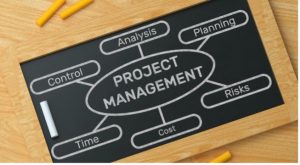
One of the most effective ways to minimize these challenges is through professional Project Management. By applying structured planning, proactive communication, and continuous monitoring, Project Management helps organizations identify potential risks before they become costly problems.
Understanding Project Risk
Every industrial project involves uncertainty. Risks may arise from design modifications, supply chain disruptions, labor shortages, equipment availability, unforeseen site conditions, regulatory changes, or budget constraints.
While these risks cannot always be eliminated, they can be anticipated, evaluated, and managed effectively. The earlier risks are identified, the greater the opportunity to minimize their impact on the project.
This proactive approach is one of the primary reasons why Project Management plays such an important role in industrial environments.
Planning Reduces Uncertainty
Risk management begins long before construction or implementation starts.
A comprehensive project plan establishes clear objectives, defines project scope, identifies key milestones, allocates resources, and outlines responsibilities for every team involved.
During this planning phase, Project Managers also conduct risk assessments to identify potential obstacles and develop mitigation strategies.
Instead of reacting to problems as they occur, organizations are prepared with action plans that help keep projects moving forward.
Improving Communication Across Teams
Industrial projects typically involve multiple stakeholders, including engineers, contractors, vendors, operations personnel, quality teams, and executive leadership.
Without effective communication, misunderstandings can quickly lead to delays, duplicated work, or costly mistakes.
Project Managers establish structured communication plans that ensure everyone receives the right information at the right time. Regular progress meetings, status reports, and issue tracking improve collaboration and allow decisions to be made more efficiently.
Clear communication reduces uncertainty and helps prevent small issues from becoming major project risks.
Controlling Scope Changes
One of the most common causes of project delays and budget overruns is uncontrolled scope changes.
As projects progress, new requests or modifications often emerge. While some changes may be necessary, each adjustment can affect schedules, costs, procurement, and resource allocation.
Effective Project Management implements formal change management processes that evaluate each proposed change before approval. This ensures that project decisions are based on accurate information and that all stakeholders understand the potential impact.
Managing Cost and Schedule Performance
Keeping industrial projects on schedule and within budget requires continuous monitoring.
Project Managers regularly compare actual progress against the original project plan, allowing them to identify deviations early and implement corrective actions before significant delays occur.
This ongoing oversight provides better financial control and improves decision-making throughout the project lifecycle.
Organizations that actively monitor project performance are better equipped to respond to changing conditions while maintaining project objectives.
Supporting Safety and Regulatory Compliance
Industrial projects often operate within highly regulated environments where safety and compliance are essential.
Project Managers coordinate activities to ensure work is performed according to applicable standards, company procedures, and regulatory requirements.
By integrating compliance requirements into project planning and execution, organizations reduce the likelihood of inspection findings, operational disruptions, and costly corrective actions.
Safety planning also becomes an integral part of project execution, helping protect employees, contractors, and facility operations.
Building Confidence Through Leadership
Beyond schedules and budgets, Project Managers provide leadership throughout the project lifecycle.
They coordinate multidisciplinary teams, facilitate problem-solving, manage priorities, and maintain focus on project objectives.
Their ability to balance technical requirements with business goals allows organizations to navigate complex industrial projects with greater confidence.
Strong leadership also promotes accountability, collaboration, and transparency—qualities that contribute directly to successful project outcomes.
Conclusion
Risk is an unavoidable part of every industrial project, but it does not have to determine the outcome. Organizations that invest in professional Project Management are better positioned to anticipate challenges, make informed decisions, and successfully deliver projects on time, within budget, and in compliance with industry standards.
By integrating planning, communication, risk management, and performance monitoring, Project Management transforms uncertainty into opportunity and helps organizations achieve long-term operational success.
Need Professional Project Management Support?
At Smart Precise Solutions, we provide comprehensive Project Management services for pharmaceutical, biotechnology, medical device, and industrial organizations. Our experienced professionals help clients manage project risks, improve execution, and deliver successful outcomes from concept through completion.
Call Smart Precise Solutions today at 787-403-9799 and discover how our Project Management experts can help make your next industrial project a success.