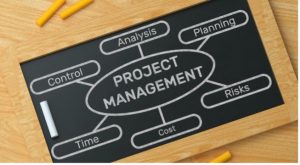
Acquisitions and mergers have become increasingly common in the pharmaceutical, biotechnology, and medical device industries as organizations seek to expand capabilities, access new technologies, and strengthen their market position. However, acquiring a company, facility, or new technology is only the beginning. The real challenge lies in successfully integrating the new assets into existing operations.
Effective project management during the acquisition process plays a crucial role in ensuring smooth transitions, minimizing operational disruptions, and maintaining regulatory compliance.
The Complexity of Acquisitions in Life Sciences
Unlike acquisitions in many other industries, life sciences acquisitions involve strict regulatory frameworks, complex manufacturing processes, and validated systems that cannot simply be transferred without careful evaluation.
Facilities, equipment, computerized systems, quality processes, and documentation must be assessed and integrated carefully to ensure they continue to meet regulatory standards such as FDA, GMP, and other international requirements.
Without structured project management, the acquisition process can lead to delays, compliance risks, operational inefficiencies, and increased costs.
The Role of Project Management in Acquisition
Project management provides the structure and oversight needed to guide organizations through the acquisition lifecycle. From due diligence to operational integration, project managers coordinate multiple teams and ensure that critical milestones are achieved.
Key project management activities during acquisitions include:
- Coordination of cross-functional teams
- Risk assessment and mitigation planning
- Timeline and resource management
- Communication between stakeholders
- Integration planning for operations and systems
- Monitoring regulatory and compliance requirements
These activities help organizations maintain operational continuity while transitioning assets or processes.
Due Diligence and Operational Assessment
During the early stages of an acquisition, project management teams support due diligence activities by helping evaluate operational capabilities, facility conditions, equipment status, and regulatory compliance history.
This phase allows organizations to identify potential risks and develop integration strategies before the acquisition is finalized.
Integration of Systems and Processes
After the acquisition is completed, one of the most critical tasks is integrating systems and processes. This may involve aligning quality systems, updating documentation, validating computerized systems, and standardizing operational procedures.
Project managers help ensure that these activities are completed efficiently while maintaining compliance and minimizing disruption to ongoing operations.
Supporting Long-Term Success
Well-managed acquisition projects enable organizations to unlock the full value of their investment. Structured planning, clear communication, and strong leadership ensure that new facilities, teams, or technologies become productive parts of the organization.
Smart Precise Solutions supports sciences companies by providing experienced project management professionals who understand the complexities of regulated environments and acquisition-related integration.
In the life sciences industry, acquisitions require careful planning, coordination, and regulatory awareness. Project management plays a vital role in ensuring that integration is smooth, compliant, and aligned with strategic objectives.
With its expertise in project management and regulated industries, Smart Precise Solutions helps organizations navigate the acquisition process efficiently and successfully, transforming complex transitions into opportunities for growth and operational excellence.