The success of any construction or infrastructure project depends on much more than technical design, qualified contractors, and regulatory compliance. Whether the project involves residential, commercial, industrial, or public facilities, organizations are constantly challenged to deliver quality results while meeting established schedules and budgets.
Most projects are developed under local and federal regulations, construction codes, and industry standards. Typically, project owners focus on three fundamental components:
- Selection of an Engineering and/or Architectural Firm to develop design drawings, technical specifications, and construction permit applications.
- Selection of a Contractor (General Contractor, Specialized Contractor, etc.).
- Selection of a Certified or Authorized Inspector.
While these elements are essential, many projects still experience schedule delays, budget overruns, quality concerns, or operational challenges.
The question is:
Why do projects sometimes fail to meet expectations even when all these requirements are in place?
The answer often lies in a missing component: Project Management.
Many organizations underestimate the value that professional Project Management brings to a project. Some view it as an additional cost, while others assume they can successfully coordinate all project activities internally. However, managing a project requires a specialized set of skills, processes, and controls that help ensure successful execution from planning through completion.
Many organizations assume:
- Project Management is an unnecessary additional expense.
- Projects can be managed internally, even without the proper resources.
- There is enough time to oversee all project activities.
- They have expertise in every aspect of the project.
- No one can manage the project better than their internal team.
What many fail to recognize is that a Project Manager can help:
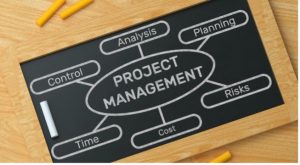
- Develop the project concept and evaluate multiple alternatives.
- Define the project scope in detail.
- Identify potential risks and establish mitigation strategies.
- Prepare reliable cost estimates.
- Establish realistic project schedules.
- Monitor and control project execution from start to finish.
- Manage and control project-related changes across all disciplines.
- Ensure required testing and verification activities are completed before project turnover.
- Maintain proper project documentation and document control.
- Share valuable lessons learned and experiences from previous projects.
A Project Manager serves as a strategic partner who helps organizations navigate complexity, improve decision-making, and increase the likelihood of project success.
Whether facing infrastructure challenges, facility upgrades, capital improvement projects, or new construction initiatives, effective Project Management plays a critical role in achieving quality, controlling costs, managing risks, and delivering successful outcomes.
Professional Project Management provides the structure, leadership, and oversight necessary to ensure that projects are completed efficiently and aligned with organizational goals.
Need Support with Your Next Project?
At Smart Precise Solutions, we provide professional Project Management services for the pharmaceutical, biotechnology, medical device, industrial, and construction sectors.
Our team is committed to helping organizations plan, execute, and deliver projects efficiently while maintaining the highest standards of quality, safety, and compliance.
📞 Contact Smart Precise Solutions today at 787-403-9799 to learn how we can support your next project.